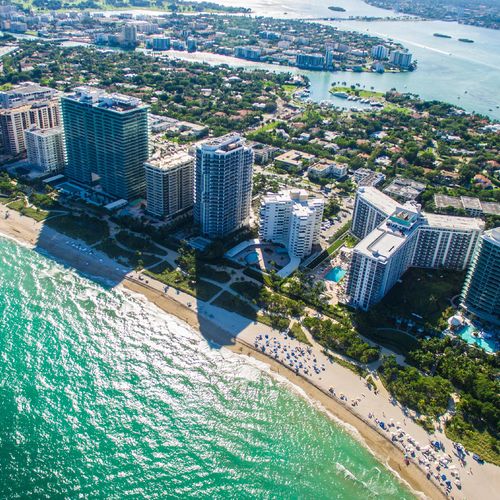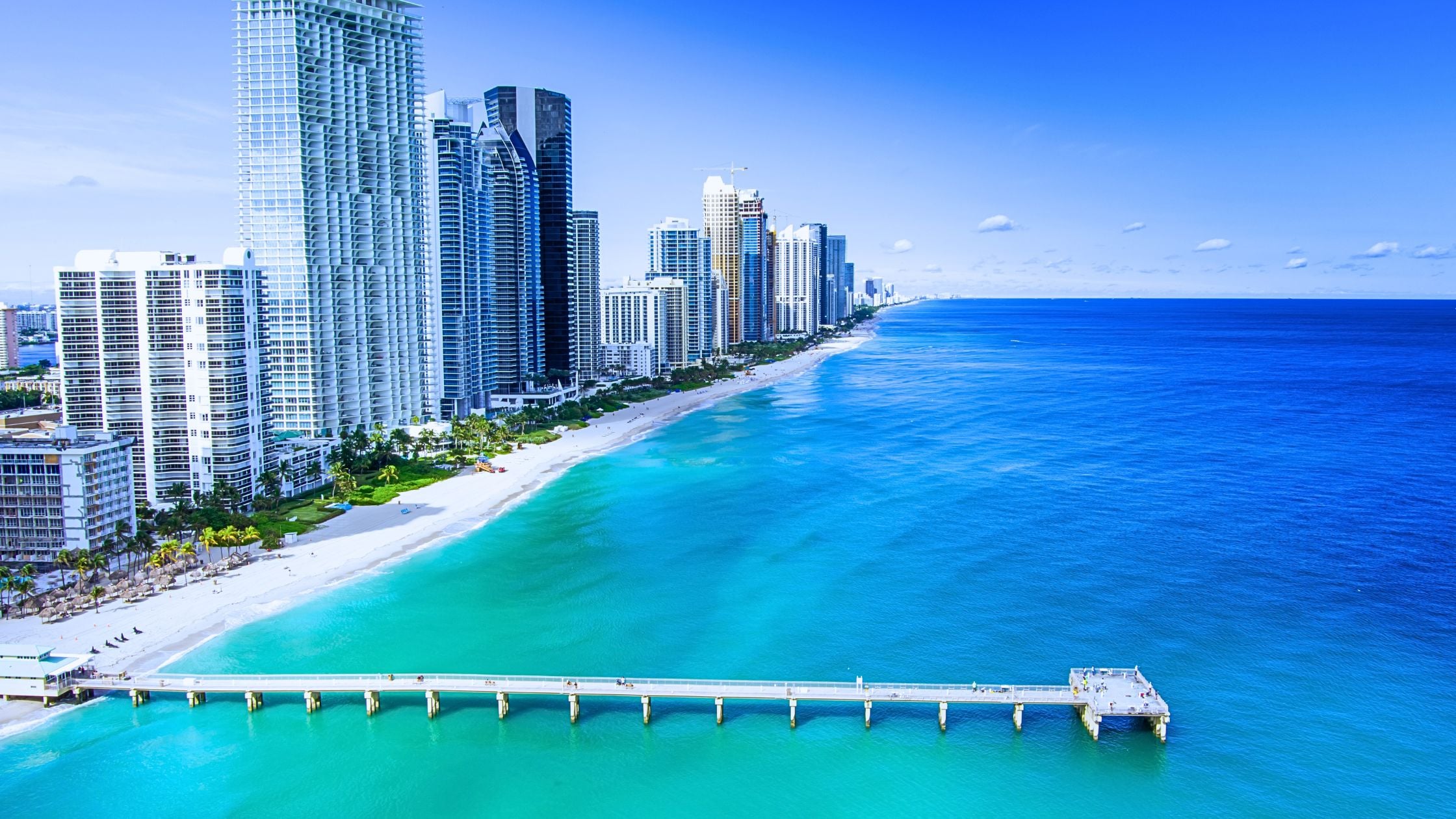
Living in Surfside Miami is the quietest serious luxury bet on the Miami Beach barrier island, and the buyers who land it well are the ones who treat it as its own market, not as a discount alternative to Bal Harbour next door.
I work this stretch of the barrier island constantly. Surfside, Bal Harbour, and the north end of Miami Beach are some of the most concentrated luxury condo inventory in the country, and Surfside is the one that gets misread the most. Smaller than Bal Harbour, more residential than Sunny Isles, and structurally rebuilt since 2021 in a way no other South Florida submarket has been. After almost two decades in this market, starting in real estate finance in 2006 as a mortgage loan originator and licensed as a Miami agent since 2018, Surfside is the kind of submarket where the diligence math earns the buyer more dollars than the negotiation does
This is the 2026 read on what living in Surfside Miami actually looks like, who it fits, the new construction story, and the questions I run with every Surfside buyer before an offer goes in.
For broader neighborhood context across the metro, where to live in Miami: a neighborhood lifestyle guide is the right wider read to keep alongside this one.
What Actually Defines Surfside
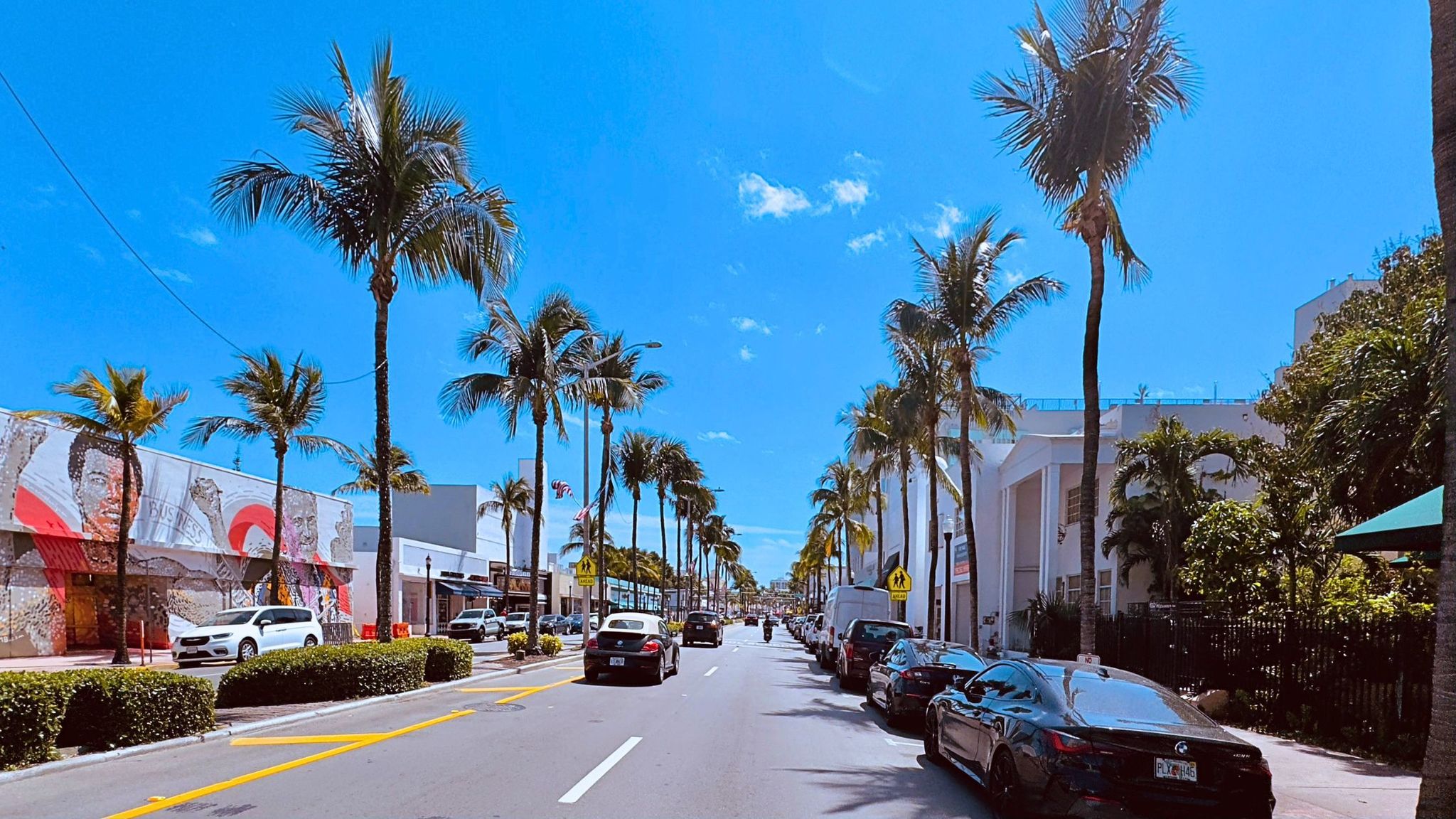
Surfside is its own incorporated town inside Miami-Dade, roughly one square mile of barrier island immediately south of Bal Harbour and immediately north of Mid-Beach. Eight blocks long. Around 5,700 residents at the last census. Its own town hall, its own police, its own building department, and its own zoning controls. That municipal status matters as much in Surfside as it does in Bal Harbour next door, and it is why a one-square-mile beach town can hold the architectural quality and the resident profile it does.
The footprint is small enough to organize a full day on foot. Harding Avenue runs through the middle of town as the everyday commercial spine, with cafés, a grocery, restaurants, services, the kind of daily-life infrastructure a primary-resident community actually uses. Collins Avenue runs along the ocean and carries the trophy condo and hotel inventory. The Surfside Walking Path runs the full length of the beach behind those buildings. The result is a beach town where the residential streets feel residential, the commercial blocks feel walkable and community-scaled, and the oceanfront delivers the trophy product. It is not a resort strip. It functions like a small town that happens to sit on one of the most desirable mile-long stretches of Atlantic beach in the country.
The buyer pool reflects that. Year-round families anchor the town side. International and Northeast second-home owners anchor the oceanfront condo line. There is a meaningful long-tenured resident base that genuinely uses Harding Avenue as their main street, and a separate, more transient luxury buyer base that uses the oceanfront trophy buildings as a Miami foothold. Both populations coexist in a way that is hard to find on the rest of the barrier island.
For broader 2026 market framing that shapes any luxury Miami decision, my 2026 Miami real estate forecast is the right starting frame before any Surfside search.
The Surfside Real Estate Market in 2026
The Surfside market splits into three layers, and underwriting all three as one market is the most common mistake I see.
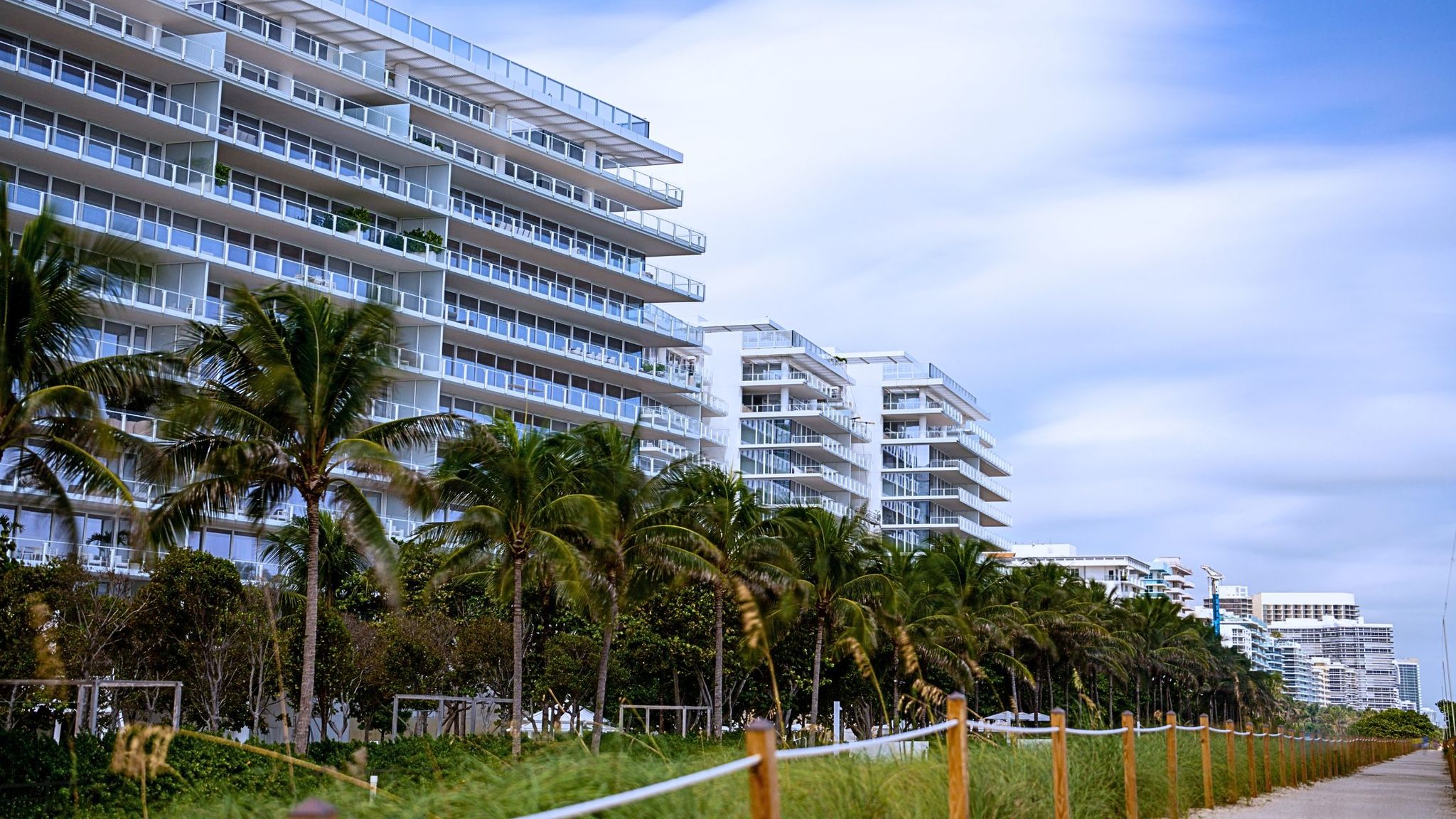
- Layer one: trophy oceanfront condos. Fendi Chateau Residences, the Four Seasons Residences at The Surf Club, and Eighty Seven Park anchor this segment and consistently trade among the highest price-per-square-foot levels in the South Florida condo market. New construction is reinforcing that ceiling. Seaway North at the north end of Collins is in the late stages of selling out at average prices that put it among the most expensive new condo developments in Miami-Dade. Ocean House Surfside is bringing roughly 25 boutique oceanfront residences designed by Arquitectonica to market. The Delmore, the planned 37-residence project by Zaha Hadid Architects on the former Champlain Towers South site, is still in the very early stages of sales and is one of the most closely watched projects in the entire metro for reasons that go well beyond the architecture. Each of these buildings is its own asset with its own service model, floor plate, and resale dynamic. They are not interchangeable.
- Layer two: legacy oceanfront and bay-side condo product. This is the much larger share of Surfside inventory by transaction volume and the segment most reshaped by the post-2021 regulatory environment. After the Champlain Towers South collapse, Florida implemented mandatory statewide structural inspections and reserve-funding requirements on older condo buildings, and Surfside has been at the leading edge of that recalibration. Reserve studies are stricter. Special assessments have hit certain buildings hard. HOA discipline now separates the well-run associations from the under-reserved ones in a way that did not exist before. The buildings that did the work, full structural inspections, fully funded reserves, transparent assessment history, are trading at a real premium to the ones that did not. Buyers who pull the documents and read them before the offer comes out ahead. Buyers who do not are the ones absorbing surprises three months in.
- Layer three: single-family and townhouse inventory inside the town side. West of Collins, away from the oceanfront line, Surfside has a real stock of single-family homes and small townhouse buildings. This is where the year-round, family-anchored population lives. Inventory turns slowly. Pricing is condition-specific and pocket-specific in a way the headline averages do not capture. For buyers who want to be inside the Surfside municipal envelope without the condo dues structure, this is the segment to learn well.
What holds all three layers up structurally is the same supply story I run for Bal Harbour: a fully built, municipally controlled, one-square-mile footprint with no meaningful undeveloped land. New supply happens through redevelopment of legacy sites, one project at a time, with town review at every step. That structural ceiling, combined with the post-2021 separation between well-run and under-reserved buildings, is the structural setup of the 2026 Surfside market.
Walkability, the Beach, and Daily Life in Surfside
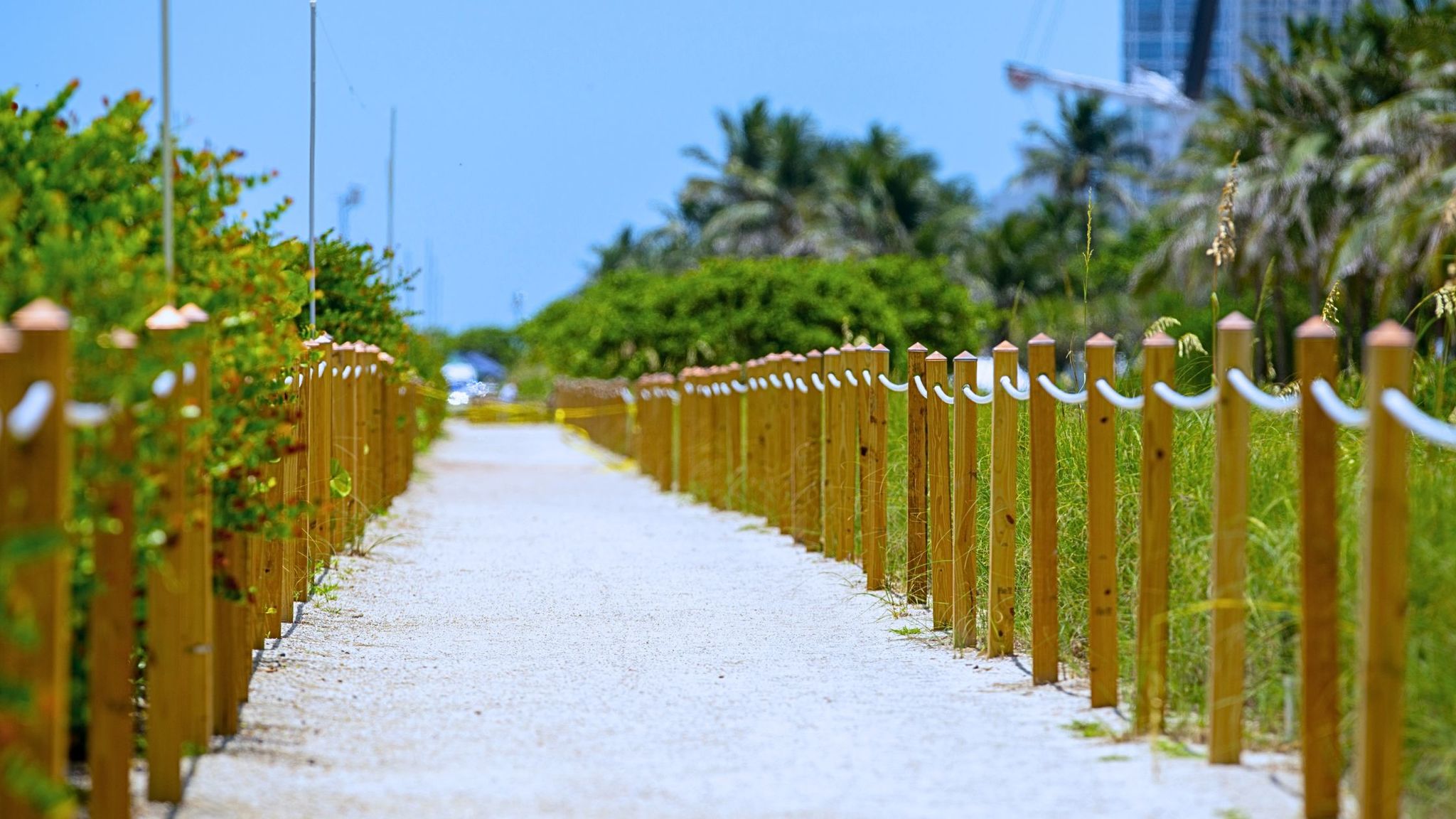
Surfside is one of the few luxury Miami submarkets where daily life genuinely works on foot. Harding Avenue is the spine, a walkable commercial stretch that carries cafés, restaurants, a community grocery, a community center and library, and the everyday services a resident actually uses week to week. Most residences in Surfside sit within a 5 to 15 minute walk of that spine. That is a different lifestyle than the car-defaulted condo neighborhoods further south, and it is a real piece of why long-tenured residents stay for decades.
The Surfside Walking Path runs the full length of the town behind the oceanfront buildings, and the public beach itself stretches more than a mile of pristine, clean sand that consistently runs less crowded than the equivalent stretches in South Beach. For residents, the morning routine of beach, walk, café, and back home is one of the actual reasons people pay what they pay to live here. It is not a marketing line. It is the daily texture of the town.
Bal Harbour Shops sits one bridge north, the broader restaurant and grocery flow of Bay Harbor Islands sits one bridge west, and the Mid-Beach and Indian Creek corridor sits a short drive south. Surfside residents use all three constantly. The town's compact footprint is the home base. The surrounding villages are the extension.
For the companion read on the village immediately north, my living in Bal Harbour Miami breakdown is the right next click. Surfside and Bal Harbour share the barrier-island DNA but diverge meaningfully on price, density, building roster, and resident profile.
Who Surfside Is Best Suited For
The Surfside buyer profile is well-defined and consistent.
Year-round families who want a walkable, small-town beach community with real public-school access through Ruth K. Broad/Bay Harbor K-8 and Miami Beach Senior High, and a daily rhythm that does not require a car for most of the week. Second-home and international buyers who want trophy oceanfront condo products with a quieter, more residential surrounding context than Sunny Isles or South Beach. Long-tenured residents who specifically want the Surfside municipal envelope, the town hall, the building department, the resident services, rather than living one block over and paying for the same lifestyle without the governance. Trade-up buyers who want a lock-and-leave oceanfront unit in a well-run building with a fully funded reserve and a transparent post-2021 inspection history.
The buyer who specifically wants the trophy branded-residence experience, Fendi Chateau, Four Seasons at The Surf Club, Eighty Seven Park, Seaway North, the Delmore, Ocean House, is buying into a tier where the building selection is at least half the purchase. Floor, line, service model, HOA structure, and resale dynamic all matter at least as much as the headline brand. The right diligence here is not optional. It is the entire transaction.
Where Surfside is generally not the right fit: buyers who want dense walkable nightlife outside the door, South Beach, Brickell, or parts of Mid-Beach are better positioned for that. Buyers who want a high-rise skyline density experience, Sunny Isles is built for that. Buyers who specifically want the gated single-family estate footprint inside a luxury village envelope, Bal Harbour Estates is the cleaner pick. And buyers who underwrite an older Surfside condo without pulling the full reserve study, the post-2021 structural inspection report, and the assessment history, that is the buyer profile that gets hurt most often in this market.
How Surfside Compares to Bal Harbour, Sunny Isles, and Mid-Beach
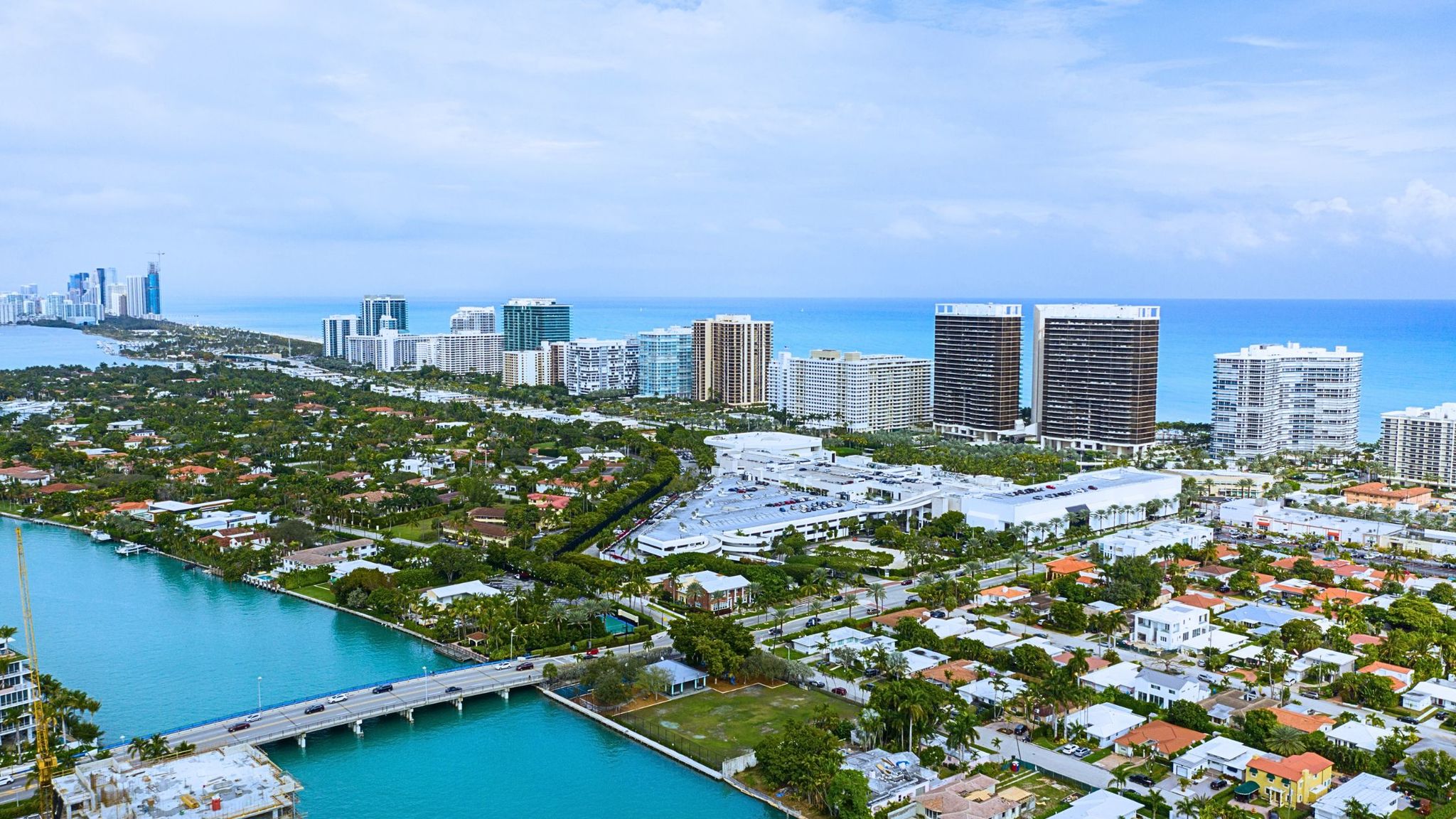
The neighborhoods Surfside buyers most often compare against are Bal Harbour, Sunny Isles Beach, and Mid-Beach.
- Bal Harbour sits immediately north and is the smaller, more concentrated, more retail-anchored neighbor. Bal Harbour delivers Bal Harbour Shops as the lifestyle anchor, a denser roster of branded oceanfront residences, and a more international, more lock-and-leave buyer mix. Surfside delivers the year-round small-town beach feel, a real public-school anchored family base, and a more diverse housing stock that includes single-family inventory inside the municipal envelope. Both have the structural supply ceiling. Both have the post-2021 building-by-building diligence requirement on legacy condos. Bal Harbour usually wins on retail-walkability and branded-residence depth. Surfside usually wins on town texture and year-round community feel.
- Sunny Isles Beach sits north across Haulover Cut and operates on a fundamentally different scale, a denser, taller, more skyline-driven condo strip with a heavier international and more transient buyer mix. Surfside is the smaller, quieter, more residential counterpoint. The buyer who specifically wants the Sunny Isles tower-and-skyline experience is not a Surfside buyer. The buyer who specifically wants the Surfside small-town texture is not a Sunny Isles buyer. For the side-by-side on the Sunny Isles playbook, my living in Sunny Isles Beach Miami read is the right companion piece.
- Mid-Beach, the stretch of Miami Beach roughly from 41st Street up through the Indian Creek corridor, sits immediately south and offers a deeper density of restaurants, hotels, a larger spread of building vintages, and a different walkability mix. Surfside is quieter, more compact, and more community-scaled. Most of my Surfside buyers specifically do not want the Mid-Beach hotel-corridor energy. That is part of the choice.
Frequently Asked Questions About Living in Surfside Miami
Is Surfside a good place to live in 2026?
For year-round families wanting a walkable small-town beach community with public-school access, second-home buyers wanting trophy oceanfront condo product with a quieter residential surround, and long-term holders wanting a supply-constrained luxury asset inside a structurally controlled town envelope, yes. Surfside is one of the most consistently walkable luxury beach towns in Miami-Dade, with its own municipal zoning, a fully built one-square-mile footprint, a meaningful trophy condo pipeline through 2026, and a post-2021 building diligence environment that rewards careful buyers. It is generally not the right fit for buyers who want dense walkable nightlife, skyline density, or who plan to skip the building-level reserve and inspection diligence on older condo product.
How much do homes and condos in Surfside Miami cost?
Surfside pricing varies widely by segment. Trophy branded oceanfront residences, Fendi Chateau, the Four Seasons at The Surf Club, Eighty Seven Park, and new product like Seaway North, sit at the top of the South Florida luxury condo market. Legacy oceanfront condo product trades on building-by-building specifics including reserve health, post-2021 structural inspection status, special-assessment history, and HOA discipline. The town-side single-family and townhouse market trades on lot, pocket, and condition. The right price read is always segment-specific and building-specific, with current comps inside the target segment as the right input before any of offer.
What does the post-Surfside collapse environment mean for buyers today?
After the 2021 Champlain Towers South collapse, Florida implemented mandatory structural inspections and reserve-funding requirements on older condo buildings statewide. In Surfside specifically, that regulatory shift has separated the well-run associations from the under-reserved ones in a measurable way. The buildings that completed their full structural inspections, fully funded their reserves, and transparently disclosed their assessment history are trading at a premium. The buildings that have not are trading at a discount that often does not fully price in the eventual cost. For buyers, the diligence framework is non-negotiable: pull the reserve study, the inspection reports, the special-assessment history, and the recent board minutes before the offer, not after.
Is Surfside walkable?
Yes, more so than most luxury condo neighborhoods in Miami. Harding Avenue is the everyday commercial spine and carries cafés, restaurants, a grocery, a community center, and the daily services a resident actually uses. Most residences in Surfside sit within a 5 to 15 minute walk of that spine. The Surfside Walking Path runs the full length of the town behind the oceanfront buildings, and the public beach itself stretches more than a mile of clean sand. Residents organize most of their week on foot inside Surfside and use short drives to Bal Harbour Shops, Bay Harbor Islands, and Mid-Beach for the broader retail, dining, and service flow.
How does Surfside compare to Bal Harbour and Sunny Isles?
Bal Harbour is the smaller, more retail-anchored, more lock-and-leave-international neighbor to the north, with Bal Harbour Shops as the lifestyle anchor and a denser roster of branded oceanfront residences. Sunny Isles is the denser, taller, skyline-driven oceanfront strip further north with a more transient international buyer mix. Surfside sits between them in density and well below either in scale, and delivers a year-round small-town beach feel with real public-school access, a walkable commercial spine on Harding Avenue, and a more diverse housing stock that includes single-family and townhouse products alongside the trophy oceanfront condo line.
Thinking About a Surfside Move in 2026?
If you're weighing a Surfside purchase this year and want a real read on which building or pocket matches your use pattern, which lines and floors actually work, what current comps look like inside your specific target segment, and what the post-2021 diligence picture looks like on an older condo before you sign, that is the conversation I run with Surfside buyers constantly. The Surfside decision in 2026 is at least half a diligence decision on the building or property, and the underwriting has to happen before the offer, not after.
I work the full Miami luxury market from oceanfront condos in Surfside, Bal Harbour, and Sunny Isles to single-family homes in Coral Gables, Pinecrest, and Coconut Grove, and I bring a real estate finance background to the underwriting so the math is run on every position, not assumed.
Download my FREE Buyer’s Guide for a clear, practical breakdown of what to expect, what to prepare, and how to make a confident move in today’s market.
Reach out and let's run the Surfside conversation before the showings begin. Real shortlist by segment, real diligence on the financials and the structural reports, real comp work inside the target floors and pockets, and a clear path from search to closing on the right Surfside residence for your use pattern. The right Surfside purchase compounds into one of the most quietly durable luxury positions in the metro. The wrong one becomes an HOA assessment story. Let's run it cleanly the first time.
Check out this article next