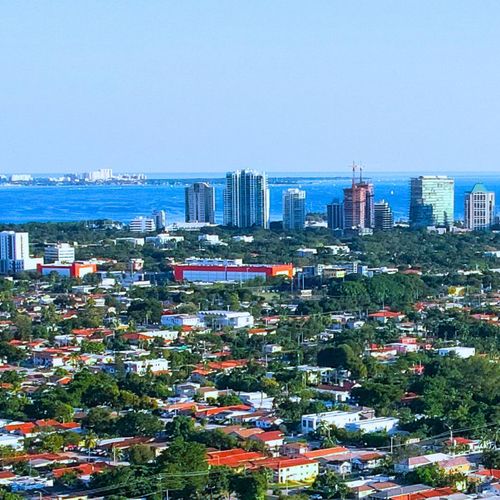

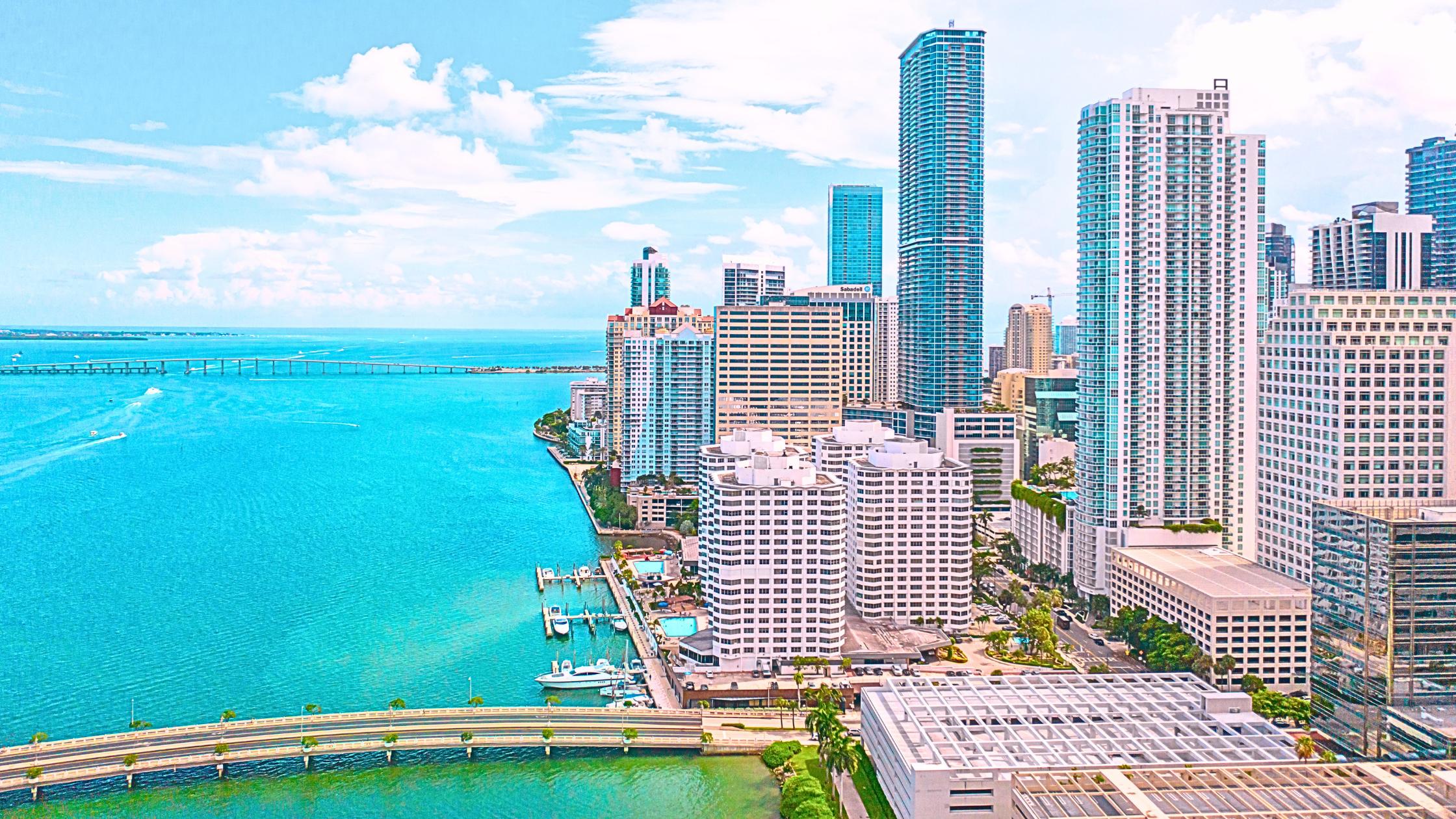
The dollar buys a different Miami home this year, and if the last time you shopped was 2022 or 2023, your mental map is wrong. I get some version of the same question from every kind of client I work with: what does 1 million dollars buy in Miami 2026, and how far does the next tier really stretch. The honest answer depends on the neighborhood, the product type, and how far into the current price bifurcation you are willing to go. Miami is running two markets right now. Under $2M is negotiable and slow. Over $10M is on a record pace. Here is the tour I give my clients in person.
The 2026 Miami price ladder, in one paragraph
Miami-Dade is no longer a single market with a single trajectory. According to the Miami Association of Realtors monthly market statistics, Miami-Dade tracked record ultra-luxury volume through August 2026, roughly 14 percent above the full-year 2025 total, while Zillow Research shows the median home value has drifted about 1 percent lower on the year. Rates are back near 7 percent per the Federal Reserve FOMC calendar, which cools the mass market and barely touches cash buyers at the top. What that means for your dollar: leverage lives at the bottom of the ladder, product scarcity lives at the top, and the middle bands are where I spend the most time helping clients pick a lane. Before we walk the tiers, if you want the wider market read, our 2026 Miami real estate forecast has the trend backdrop.
What $1 million buys in Miami in 2026
At $1M in 2026, the honest answer is a well-located condo or a modest single-family home in an inland neighborhood, and you are more likely to close under asking than over it. In Brickell and Edgewater, $1M puts you in a one-bedroom-plus-den or a small two-bedroom in a full-amenity tower, high-floor if you time it right, with a bay or skyline view depending on the tier of the building. In Coral Gables or South Miami, the same dollar buys a two- or three-bedroom home on a smaller lot, usually built before 1980, that needs a kitchen and bath refresh. In Coconut Grove, you are looking at a smaller condo or a townhome. Waterfront at $1M is almost gone in Miami-Dade in 2026, and where it exists it is usually a smaller unit in an older building with meaningful upcoming assessments to price in. If you are a buyer under $1M, this is the tier where the current market shift actually favors you. Inventory is up, days on market are stretched, and I am negotiating real concessions on inspection findings, closing costs, and rate buydowns.
What $2 million buys you in Miami in 2026
At $2M, the story changes. This is the price band where Miami's new-construction condo pipeline lives. Recent 2025-to-2027 deliveries average close to $2.76M per unit, which puts a well-appointed two-bedroom in the newest towers right in your reach. In resale, $2M is a solid three-bedroom, three-bath single-family home in Coral Gables, Coconut Grove, or Miami Shores, updated but not gut-renovated, on a standard lot without direct water. In condo terms, $2M gets you a genuine two-plus-den or three-bedroom in Brickell, Edgewater, or Bay Harbor Islands, ideally with a bay view and full amenities. Waterfront enters the conversation at this tier but does not dominate it, and the waterfront options at $2M are usually canal-front townhomes or older bayfront condos rather than open-water views. This is also the band where the appraisal gap conversation gets real. I coach clients through the tradeoff between paying up for the newest building and buying resale in a proven building with lower monthly carry.
What $5 million buys in Miami in 2026 (the sweet spot)
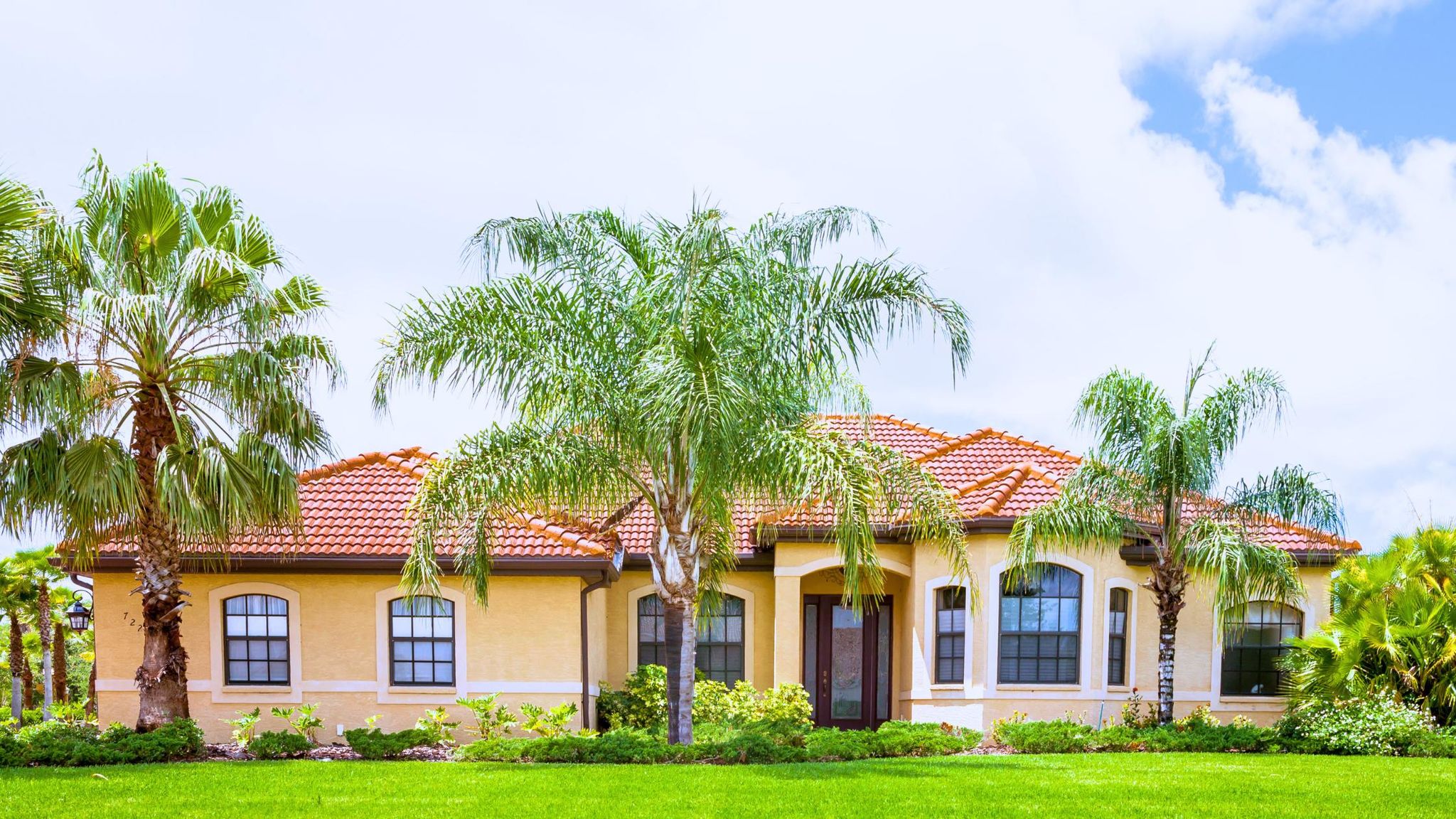
$5M is my favorite band to work in right now because product quality jumps faster than price. At $5M you are in real Miami luxury: a four-plus-bedroom, five-bath single-family home in Coral Gables, Coconut Grove, Pinecrest, or Miami Beach, often on a larger lot with a pool, sometimes on a canal. In new-construction condo terms, $5M lands you a three-bedroom high-floor unit in a branded or design-forward tower, view included, with private garage and dedicated amenities. In the waterfront, $5M is your first real shot at open bay or ocean access with a boat slip in a smaller building. If waterfront is the priority, our guide to the best waterfront neighborhoods in Miami is the right next read. What I like about this band in 2026 is the negotiation posture. Sellers between $2M and $10M sit in a genuine no-man's-land: not softening like the mass market, not on the record pace of the top. Well-priced homes still sell quickly, but ambitious pricing is being negotiated hard. A prepared buyer at $5M has more leverage in this market than at any tier below it.
What $10 million and above looks like in Miami in 2026
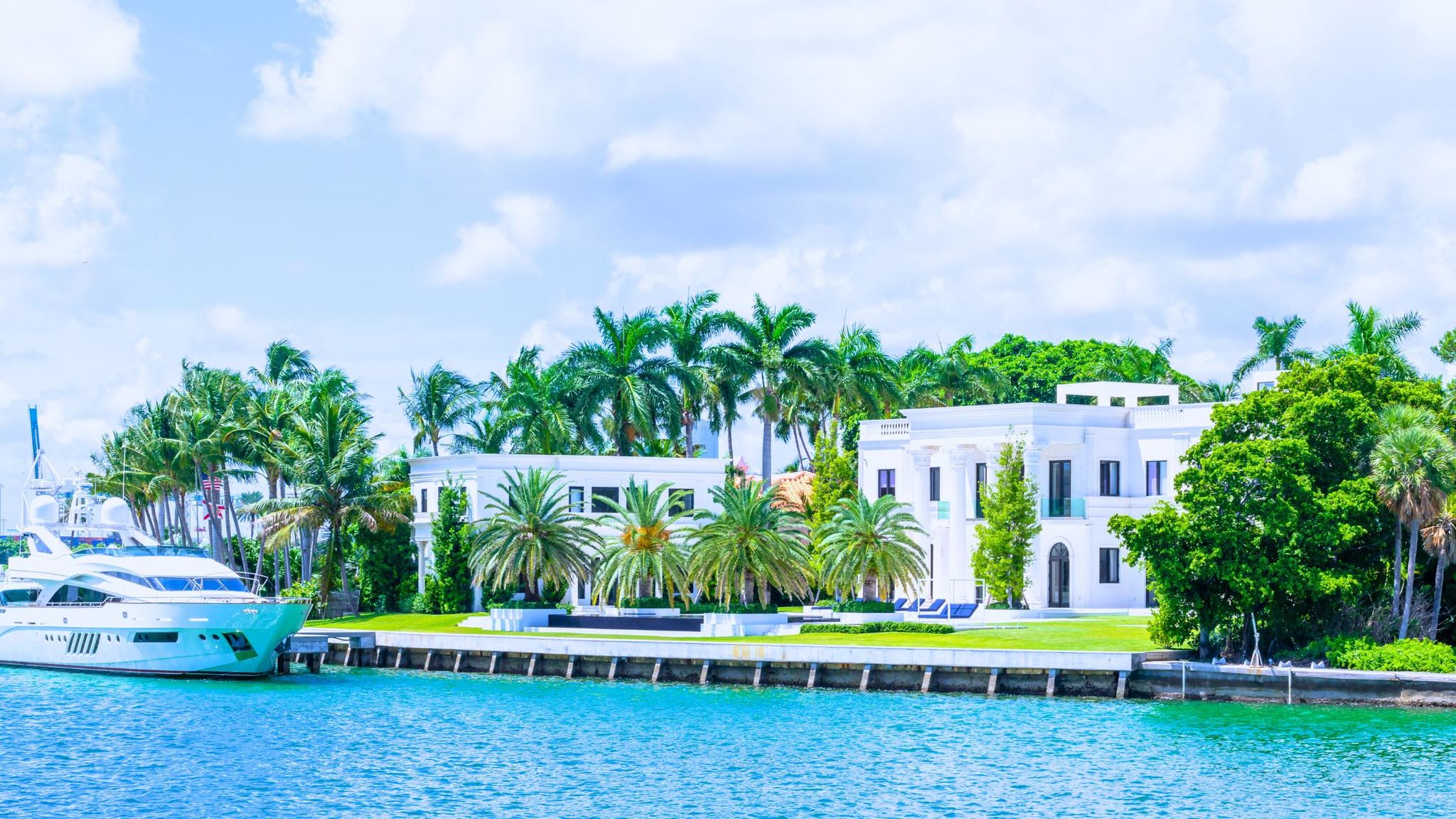
Above $10M, the market is running its own race. Miami-Dade recorded 194 sales at $10M+ through August 2026, already 14 percent above all of 2025, on pace for roughly 291 by year-end. That is a record. At this tier you are buying a waterfront single-family home in Coral Gables, on Sunset Islands, Venetian Islands, or Star Island; a top-of-tower penthouse in a branded residence in South Beach, Brickell, or Miami Beach; or a new-construction estate in guard-gated Cocoplum or Gables Estates. Buyers at this tier are usually paying cash or financing with a jumbo private-bank line, which is why the same rate environment that shapes the tier below barely touches them. Ownership records for any tower or estate are searchable at the Miami-Dade Property Appraiser, which is where I start any $10M-plus underwriting for a client. When I underwrite at this tier, we spend real time on the brand of the tower, the resale profile, the service program, and the property tax posture, not on payment. Waterfront land in these neighborhoods is not being made, and the branded pipeline sold out its best floors early.
Decide if stretching to the next tier is worth it
Here is the comparison table I walk clients through when they are on the fence between two bands.
Tier | Typical product (SFH) | Typical product (condo) | Waterfront? | Negotiation posture (fall 2026) | Cash buyer share |
$1M | Inland 2-3BR resale, older build | 1BR/den to small 2BR full-amenity | Rare | Buyer's market, real concessions | ~15% |
$2M | 3BR resale, updated, standard lot | 2BR-3BR new construction or premium resale | Canal or older bayfront | Even, well-priced sells | ~30% |
$5M | 4-5BR pool home, larger lot | 3BR high-floor branded or design-led | Bay access with slip in smaller buildings | Prepared buyer has leverage | ~45% |
$10M+ | Waterfront SFH or gated estate | Top-floor branded penthouse | Ocean or open-bay standard | Seller's market, scarcity-priced | 60%+ |
Two things I tell every client at a tier boundary: first, do not stretch for a marginal upgrade in the same product type. Stretching from a $1.4M condo to a $1.7M condo in the same building rarely pays. Stretching from a $1.8M inland home to a $2.4M canal home is often the best decision they will make. Second, always run the total monthly carry, not just the mortgage. In 2026 Miami, property tax, insurance, HOA, and reserves can add 40 to 60 percent on top of the mortgage payment. The higher tier that looks like a stretch on principal is sometimes cheaper to hold monthly than the lower tier with punishing assessments. If you're still deciding between neighborhoods more than between prices, the Miami neighborhood lifestyle guide is a better starting point.
Ready to price out your tier?
Every one of these tiers looks different once we look at a specific street, a specific building, and a specific budget. If you want an honest read on where your dollar lands in Miami in 2026, and whether stretching to the next tier is worth it for you, reach out. I've been doing this since 2018, with a real estate finance background from 2006 that helps clients underwrite each tier with the full monthly-carry math, not just the sticker price. If you want a head start, the Free Miami Home Buyer Guide walks you through the local buying process end to end. Let's find the right band for what you actually want.
Check out this article next