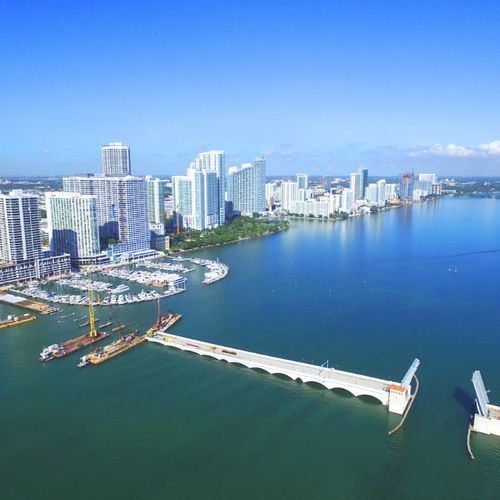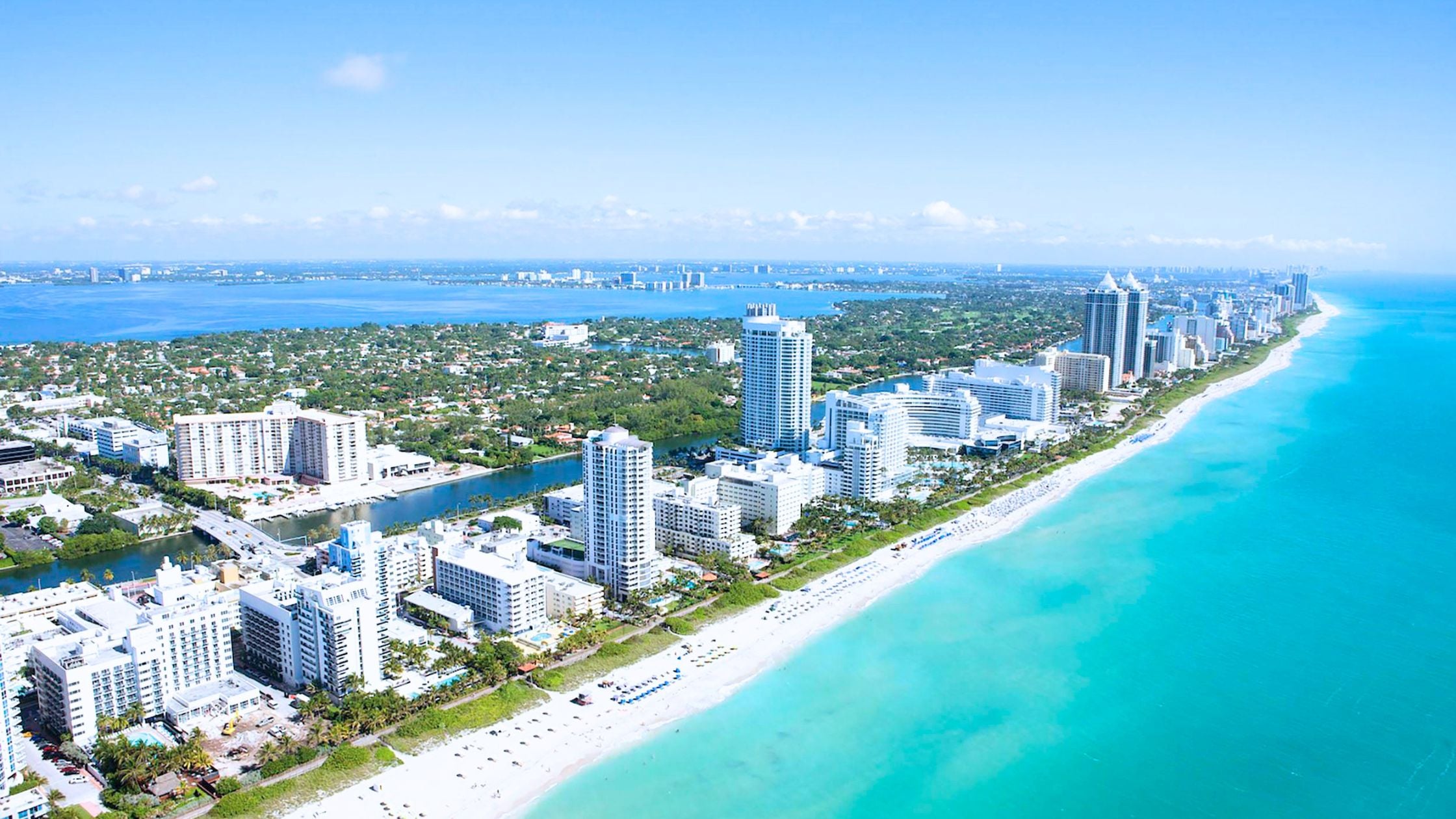
Miami is famous for its shimmering waterways and year‑round boating culture. From the turquoise waters of Biscayne Bay to the tranquil canals that weave through residential neighborhoods, the city offers some of the most coveted waterfront addresses in the United States. But the Magic City also boasts diverse inland communities with lush tree‑lined streets, top‑rated schools and lower price points. Deciding between waterfront and inland living requires weighing lifestyle preferences against practical considerations such as flood risk, insurance costs and long‑term value. This guide takes a deep dive into Miami waterfront vs inland living, offering a balanced look at the pros and cons, price differences and factors to consider when choosing your ideal neighborhood.
Understanding Miami’s Geography and Neighborhood Types
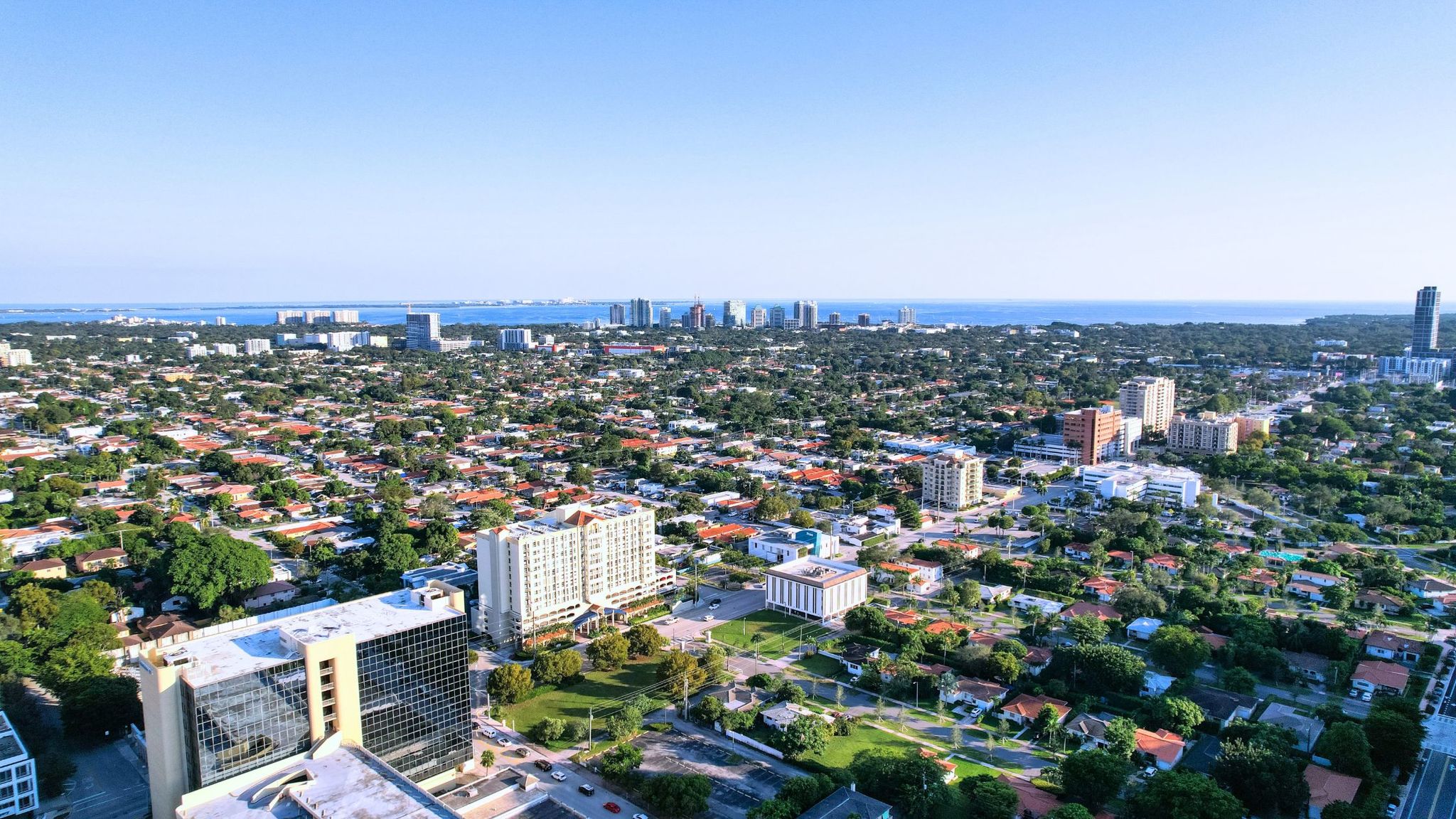
Miami’s housing landscape falls broadly into two categories: waterfront and inland. Waterfront properties include oceanfront homes along Miami Beach and Surfside, bayfront condos in Brickell and Edgewater, intracoastal estates in Bal Harbour and canalfront homes in neighborhoods such as Coral Gables’ Gables Estates and Pinecrest. Inland communities range from historic Coral Gables and lush Pinecrest to suburban enclaves like Kendall, Doral and Homestead. Although many inland areas are only minutes from Biscayne Bay by car, they occupy higher ground and are buffered from the direct effects of sea‑level rise and storm surge.
Miami’s climate and topography create different flood zones. FEMA designates high‑risk flood areas (Zone AE or VE) along coastlines and low‑lying bayfront neighborhoods; these zones require flood insurance for federally backed mortgages. Moderate‑to‑low‑risk areas (Zone X) cover much of Miami’s inland communities, where flood insurance is optional but encouraged. In Miami‑Dade County, more than one‑third of homes lie in high‑risk flood zones, so understanding your zone is critical when weighing waterfront versus inland living.
Lifestyle and Amenities: Waterfront vs Inland
Living on the Water
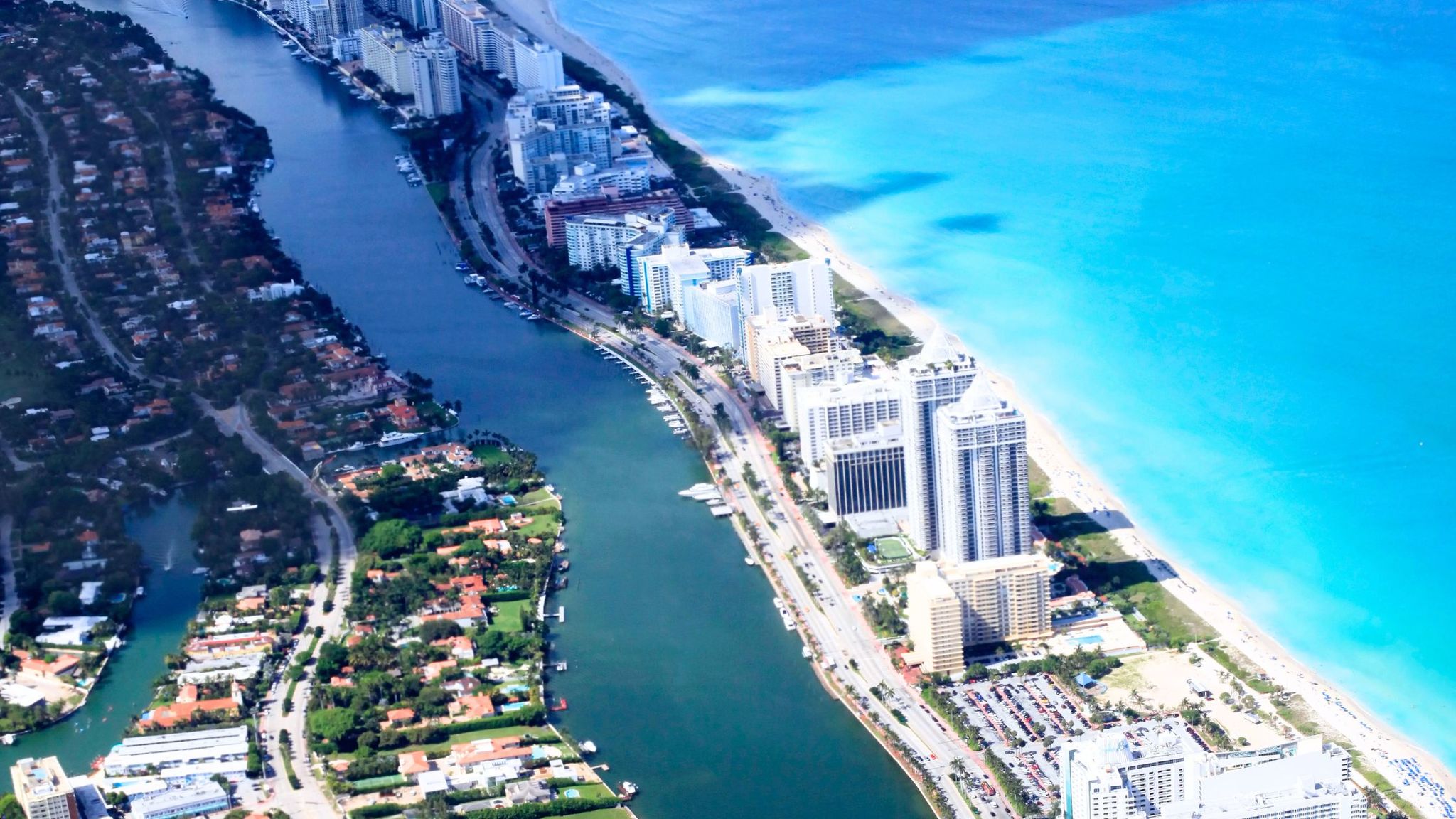
Waterfront living epitomizes the Miami dream. Residents wake up to sunrises over Biscayne Bay, enjoy private docks for boating, kayaking or paddle boarding, and often have unobstructed water views. Popular waterfront neighborhoods include:
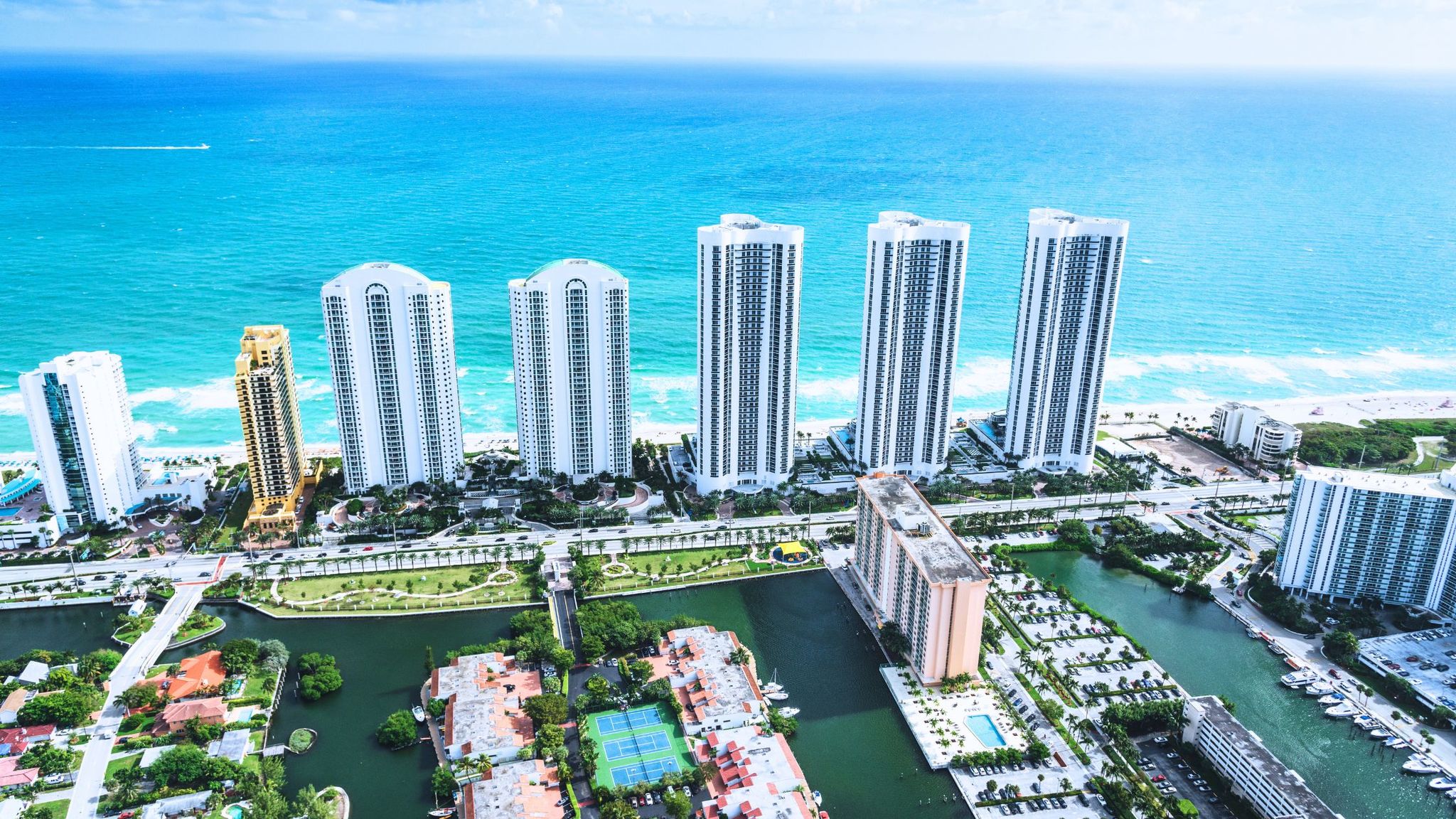
- Miami Beach and Surfside – Oceanfront condominiums and estates provide direct beach access and a resort‑like atmosphere. The lifestyle focuses on beach activities, nightlife and high‑rise living.
- Brickell and Edgewater – High‑rise condos tower over the bay with panoramic views and walkability to downtown offices, restaurants and entertainment.
- Coral Gables and Coconut Grove waterfront pockets – Canal and bayfront homes offer tropical landscaping, yacht moorage and quiet surroundings.
- Bal Harbour, Bay Harbor Islands and Indian Creek – Exclusive barrier‑island communities known for luxury estates, privacy and security.
Benefits of waterfront living include:
- Unmatched views and recreation: Access to boating, fishing and water sports without leaving your property provides a year‑round vacation feel.
- Prestige and scarcity: Water views are a finite resource, which can drive strong resale demand and long‑term appreciation.
- Breezes and climate: Proximity to open water often moderates temperatures and provides refreshing breezes.
However, there are trade‑offs:
- Exposure to storms and flooding: Waterfront homes face higher risks from storm surge, king tides and hurricanes. Homeowners must maintain seawalls, docks and salt‑exposed systems and budget for wind and flood insurance.
- Noise and privacy: Busy boat traffic and tourists can bring noise, and yards may be smaller or less private.
- Higher maintenance costs: Salt air corrodes metal, requiring more frequent upkeep of vehicles, appliances and outdoor structures.
Inland Living
Inland neighborhoods offer a different lifestyle centered on community amenities, schools and affordability. Examples include:
- Coral Gables (inland portions), Pinecrest and South Miami – Known for tree‑lined streets, Mediterranean architecture and family‑friendly parks.
- Kendall and Doral – Suburban communities with single‑family homes, larger lot sizes and access to major highways and the airport.
- Homestead and Cutler Bay – More rural communities further south offering acreage and even lower price points.
Advantages of living inland:
- Higher elevation and lower flood risk: Inland homes usually sit in Flood Zone X, which does not require flood insurance, though coverage is recommended. Higher ground reduces exposure to storm surge and sea‑level rise.
- Space and privacy: Larger lots and quieter streets provide room to garden, entertain and store recreational vehicles.
- More diverse price points: Inland neighborhoods cover a wide spectrum of budgets, allowing first‑time buyers or investors to enter the market without paying a waterfront premium.
- Community amenities: Top‑rated schools, sports facilities, shopping centers and cultural attractions often cluster in inland neighborhoods.
Drawbacks include:
- Distance from the beach and marinas: You’ll need to drive to reach the beach, boat ramps or Biscayne Bay; this may add commute time and reduce spontaneous water activities.
- Less prestige: Inland homes may not carry the same cachet or rental appeal as water‑view properties.
- Heat and humidity: Without the breezes from open water, inland areas can feel hotter and more humid in summer.
Price Differences: What Does Waterfront Cost?
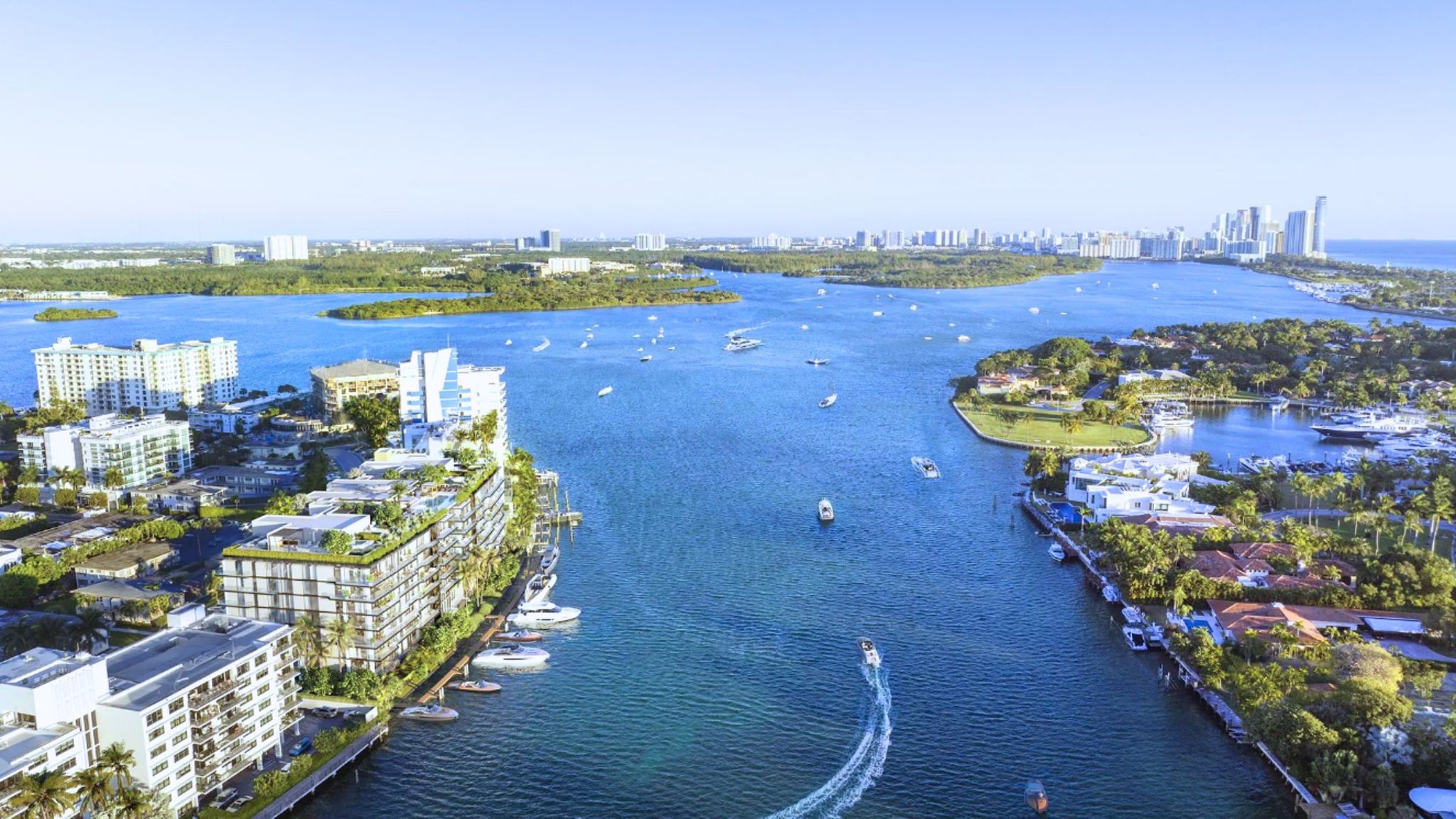
Demand for water views and scarcity of land drive significant price differences between waterfront and inland homes. According to a 2018 RealTrends analysis, waterfront homes in the U.S. sold at a 36 % premium over similar non‑waterfront homes, with a long‑term average premium of 41 %. In the Miami‑Fort Lauderdale metro, the median waterfront home value was about US$369 300 with an average 38 % premium.
In 2026, the average house price in Miami across all property types is around US$597 000, with single‑family homes averaging US$685 000, condos at US$445 000 and townhomes at US$520 000. Price ranges vary widely by neighborhood: Homestead homes sell for US$250 000 - 350 000; Kendall US$280 000 - 420 000; Downtown Miami US$400 000 - 600 000; Brickell US$450 000 - 750 000; Coconut Grove US$850 000 - 2.5 million+; Coral Gables US$900 000 - 3 million+; and Bal Harbour US$1.2 million - 5 million+. Many of the higher figures represent waterfront communities.
For direct comparisons:
- Waterfront condos: In Miami, waterfront condominiums often start around US$800 000 to US$1 million, while luxury developments on Miami Beach can command several million dollars. Monthly HOA dues for high‑rise condos with marinas or beach access range from US$1 000 to US$3 500.
- Waterfront single‑family homes: Canal or bayfront houses in neighborhoods like Coral Gables’ Gables Estates, Coconut Grove and Key Biscayne typically sell between US$2 million and US$5 million+. Ultra‑luxury estates on guard‑gated islands or oceanfront parcels can reach eight figures.
- Inland single‑family homes: Comparable homes just a few blocks inland may cost significantly less. For instance, a similar‑sized inland home in Coconut Grove without water access costs dramatically less than a bayfront property with a private dock.
- Canal frontage and water views: Properties with canal access but no wide‑open bay exposure often fall between oceanfront and inland prices. Homes with only water views (no dock or boat access) command a smaller premium.
These differences illustrate how location and type of water access drive pricing. For investors and buyers, the key question is whether the lifestyle and appreciation potential of waterfront living justify the upfront premium.
Flood Risk, Insurance and Sea‑Level Rise
Flood risk is one of the most significant factors differentiating waterfront and inland living. FEMA’s flood‑zone designations classify risk as follows:
Flood Zone | Description & Risk Level | Typical Annual Flood Insurance Premium* |
Zone VE | Coastal high‑risk area exposed to storm surge and wave action | US$2 000 - 6 000+ |
Zone AE | High‑risk flood area with a base flood elevation | US$1 000 - 3 500 |
Zone X (shaded) | Moderate‑risk area; minimal elevation above flood level | US$500 - 900 |
Zone X (unshaded) | Low‑risk area where flood insurance is optional | US$400 - 700 |
*Premiums vary based on elevation, construction, coverage limits, deductibles and the insurer.
In Miami, flood insurance typically ranges from US$700 to US$3 000+ per year, depending on flood zone, elevation and coverage limits. Under FEMA’s Risk Rating 2.0, pricing now reflects property‑specific factors such as distance to water and rebuilding cost. About 20–25 % of flood claims occur outside high‑risk zones, so even inland homeowners should consider coverage.
Sea‑level rise and tidal flooding also affect long‑term risk. Regional planners project roughly 10–17 inches of sea‑level rise by 2040 relative to 2000. Miami‑Dade County and local municipalities are investing in pumps, seawall upgrades and road elevation to manage recurrent flooding. These projects help mitigate risk but also signal that resilience planning is a core part of Miami’s future.
For a deeper understanding of flood zones, insurance factors, and how rising sea levels may impact your property decisions, explore our blog on Miami flood zones and home insurance.
Hidden Costs and Ownership Considerations
Beyond purchase price and flood insurance, waterfront living comes with recurring expenses:
- Seawall and dock maintenance: Bulkheads, docks, boat lifts and seawalls require routine inspection and repair to prevent erosion and comply with local regulations.
- Salt‑induced corrosion: Salt air and spray accelerate wear on HVAC systems, vehicles, outdoor furniture and electronics, increasing replacement and maintenance costs.
- HOA or condo fees: Waterfront condominiums often have higher monthly fees to maintain marinas, beach facilities and storm‑protection systems. Some condos charge US$1 000 - 3 500 per month.
- Wind and homeowners insurance: In Florida’s hurricane zone, windstorm coverage and general homeowners insurance have risen sharply. High‑risk coastal areas may face higher premiums or require separate wind policies.
Inland living also has ownership costs but usually at lower levels:
- Property taxes: Miami‑Dade’s property tax rate averages around 1.8 %. In a 2026 comparison of two Miami neighborhoods, the inland village of Pinecrest offered more stable property taxes; a US$1 million home would have taxes around US$18 000 per year. In contrast, Sunny Isles Beach a tourism‑driven waterfront community, saw fluctuating taxes, with the same US$1 million home taxed between US$18 000 and US$22 000 depending on market conditions.
- HOA fees and landscaping: Many inland subdivisions charge modest HOA fees for shared security and landscaping. Larger lots mean more maintenance for lawns and trees.
- Commute costs: Residents may drive farther to reach beaches or downtown offices. Consider fuel expenses and time spent in traffic.
Investment Potential and Market Trends
Waterfront properties historically show stronger long‑term appreciation and higher rental income than comparable inland homes. This is due to limited supply and the lifestyle appeal of water access. Waterfront homes can also be less susceptible to economic downturns in the luxury market, as high‑net‑worth buyers value exclusivity and may choose to self‑insure against flood risk.
Inland real estate, while generally appreciating at a slower pace, often provides steadier cash flow. Larger buyer pools and lower entry prices make inland properties attractive for first‑time buyers and investors. Many inland neighborhoods are also benefiting from new developments, improved transit and green infrastructure, which can boost property values over time.
How to Decide: Questions to Ask Yourself
Deciding between waterfront and inland living is highly personal. Consider the following questions before making a purchase:
- What’s your lifestyle priority? If daily boating, kayaking and waterfront sunrises are central to your life, a water view may be worth the premium. If you prioritize schools, yard space and community amenities, inland neighborhoods may suit you better.
- How long do you plan to stay? Waterfront premiums and higher maintenance costs may pay off over the long term through appreciation and lifestyle enjoyment. For shorter stays, consider whether an inland home plus marina membership offers comparable satisfaction.
- What is your risk tolerance? Evaluate your flood zone, elevation and ability to afford rising insurance costs and potential sea‑level impacts. Obtain elevation certificates and compare quotes from the National Flood Insurance Program and private insurers.
- What are your financing and tax implications? Consult with a mortgage professional about loan requirements in high‑risk zones and with a tax advisor to understand homestead exemptions and potential fluctuations in property taxes.
- Do you plan to rent the property? Waterfront homes can command higher nightly rates on short‑term rental platforms but may face stricter HOA or municipal regulations. Inland homes may appeal to longer‑term tenants and provide more consistent occupancy.
Pros and cons of Miami waterfront vs inland living
- Waterfront living: Unmatched bay and ocean views; direct boating access; strong resale demand; but higher purchase price, flood risk, insurance premiums and maintenance costs.
- Inland living: Higher elevation and lower flood exposure; larger lots and lower prices; diverse amenities; but longer commute to the beach, fewer water recreation opportunities and less prestige.
Choosing the Right Miami Lifestyle for You
Ultimately, the decision between waterfront and inland living in Miami comes down to balancing lifestyle, budget and long-term priorities. Waterfront properties offer an unmatched connection to the water, with panoramic views, direct boating access and a sense of exclusivity that continues to drive demand. For buyers who value daily access to the bay or ocean and are comfortable with higher costs and environmental considerations, the premium can be well worth it.
On the other hand, inland communities provide a more practical and often more flexible path into Miami real estate. With lower purchase prices, reduced flood risk and access to strong schools and community amenities, inland living appeals to families, first-time buyers and investors seeking stability and value. While you may trade immediate water access, you gain space, affordability and often a more predictable cost of ownership.
There is no one-size-fits-all answer. The right choice depends on how you live, what you prioritize and how you view risk and investment potential. Whether you are drawn to the energy of waterfront living or the comfort of inland neighborhoods, Miami offers a diverse range of options to match your vision of home.
Taking the time to evaluate your goals and explore different neighborhoods is important. When you’re ready, reach out for personalized guidance to help you make a confident and informed decision in one of the most dynamic real estate markets in the country.
FAQ
Are waterfront homes in Miami always more expensive than inland homes?
Yes. Limited land supply and demand for water views mean waterfront homes and condos typically sell at a 30–40 % premium over comparable inland properties. Prices vary by neighborhood and the type of water access, with oceanfront and bayfront commanding the highest premiums.
How much does flood insurance cost for a Miami waterfront property?
Flood insurance premiums range widely based on your flood zone, elevation and coverage limits. High‑risk coastal zones (VE) can cost US$2 000–6 000+ per year, whereas moderate‑risk zone AE premiums run US$1 000–3 500. In Miami, average flood insurance costs typically fall between US$700 and US$3 000+.
Do inland homeowners in Miami need flood insurance?
While not required in low‑risk Zone X, flood insurance is recommended. Approximately 20–25 % of flood claims occur outside high‑risk zones. Policies in Zone X usually cost US$400–900 per year.
Will sea‑level rise affect property values?
Sea‑level rise is projected to increase 10–17 inches by 2040. Waterfront homes may face higher flood exposure and increased insurance costs over time. However, many are situated on elevated lots or have storm‑mitigation features. Inland homes sit higher but may still experience heavy rainfall events; resilience upgrades and municipal infrastructure improvements will influence future values.
Are there any tax benefits to living inland versus on the water?
Property tax rates are generally consistent across Miami‑Dade, but assessed values differ. Inland communities like Pinecrest offer more stable tax bills; a US$1 million inland home may face US$18 000 in annual taxes, whereas tourism‑heavy waterfront areas like Sunny Isles Beach may see US$18 000–22 000 for a similarly priced home.
Check out this article next